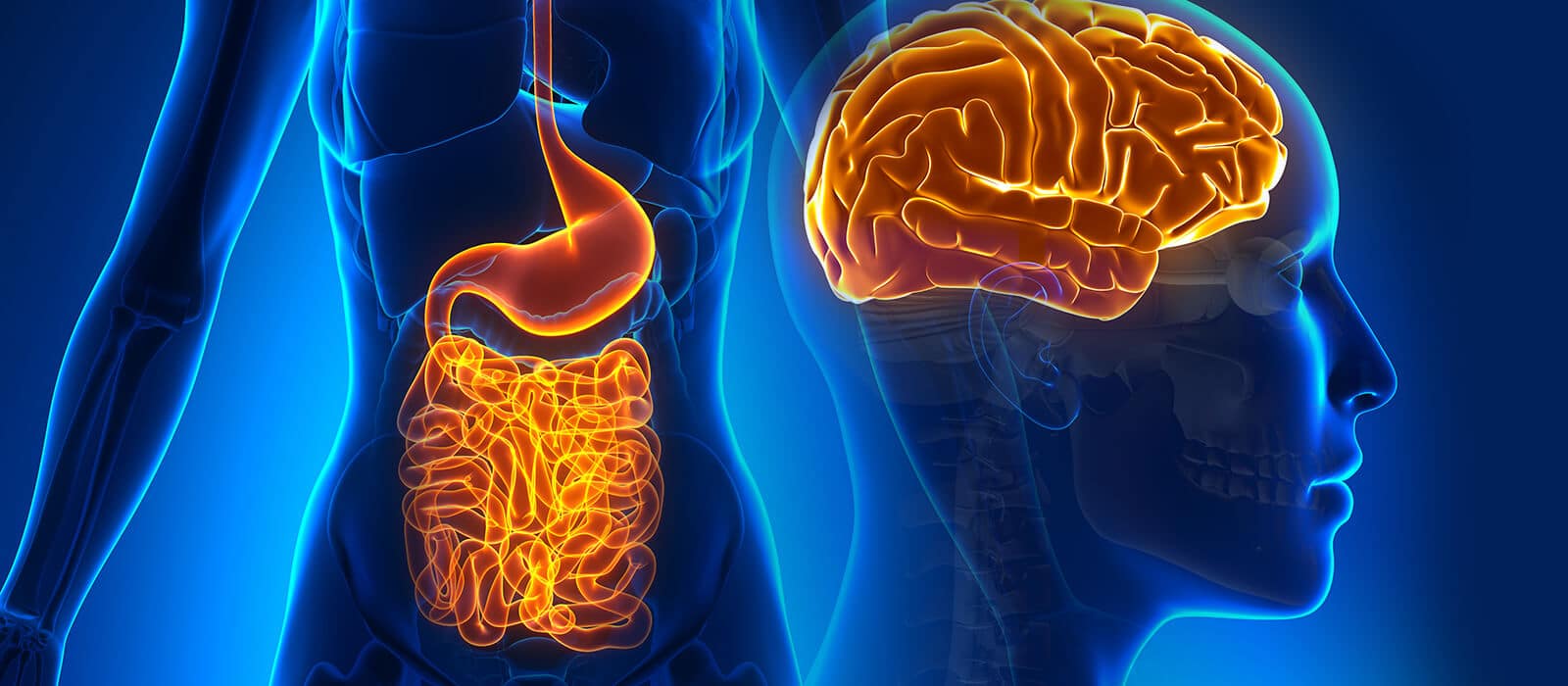
In the modern age, the concept of health transcends its traditional confines. No longer merely the absence of illness, health is now seen as a dynamic, multifaceted state that encompasses physical, mental, and social well-being. While advances in medicine and technology have undoubtedly improved the quality of life for millions, the definition of health continues to evolve as we learn more about the complexities of human existence. The pursuit of health, therefore, has become more than just a personal endeavor—it is a societal responsibility, a reflection of our lifestyle choices, and an ongoing conversation about how to live well in a world that constantly demands more from us. In this article, we will explore the various dimensions of health, examine the latest scientific insights, and provide a comprehensive look at how individuals and communities can adopt a more holistic approach to well-being.
The Physical Dimension: Foundation of Health
When most people think of health, they immediately think of physical well-being. The body, after all, is the most tangible aspect of our existence, and maintaining its proper functioning is essential for achieving overall health. This includes proper nutrition, regular exercise, and preventive care.
Nutrition plays a pivotal role in maintaining physical health. A well-balanced diet—rich in fruits, vegetables, lean proteins, and healthy fats—provides the nutrients necessary for optimal bodily functions. Unfortunately, in today’s fast-paced world, many individuals turn to processed foods high in sugar, salt, and unhealthy fats, which can lead to obesity, diabetes, heart disease, and other chronic conditions. The Mediterranean diet, rich in whole grains, lean meats, nuts, and olive oil, has long been praised for its health benefits, particularly its ability to lower the risk of cardiovascular diseases and promote longevity.
Regular exercise is another cornerstone of physical health. While the benefits of exercise are well documented—improving cardiovascular health, boosting metabolism, enhancing muscle strength, and even aiding mental clarity—many people struggle to incorporate physical activity into their daily routines. Experts recommend at least 150 minutes of moderate aerobic activity or 75 minutes of vigorous activity each week, along with muscle-strengthening exercises twice a week. Activities such as walking, swimming, cycling, and strength training not only help maintain a healthy weight but also reduce the risk of diseases such as osteoporosis and arthritis.
Finally, preventive care—such as routine check-ups, vaccinations, and screenings—remains vital in catching potential health issues early before they become serious. With the advancement of medical technology, many conditions that were once fatal can now be managed or cured with early intervention. Regular health screenings for conditions such as cancer, hypertension, and diabetes can save lives and prevent the need for more aggressive treatments down the line.
The Mental Dimension: Nurturing the Mind
In an age marked by digital distractions, economic stress, and constant connectivity, mental health has become an increasingly pressing issue. However, mental health is not merely the absence of mental illness; it is a state of emotional, psychological, and social well-being, in which individuals can cope with the normal stresses of life, work productively, and contribute meaningfully to their communities.
Mental health disorders such as anxiety, depression, and stress-related illnesses have become some of the most prevalent health challenges worldwide. A study by the World Health Organization (WHO) found that depression is the leading cause of disability globally. The pandemic further exacerbated mental health challenges, with many experiencing feelings of isolation, grief, and uncertainty. While seeking professional help is essential in managing mental health conditions, fostering resilience through daily habits can be equally important.
Practices such as mindfulness meditation have been shown to reduce stress, anxiety, and depression. By focusing on the present moment and cultivating awareness of one’s thoughts and feelings, individuals can achieve greater emotional balance and clarity. Techniques such as deep breathing, progressive muscle relaxation, and guided imagery can also help manage stress and promote a sense of calm.
Equally important is adequate sleep, a fundamental yet often overlooked component of mental health. Sleep plays a crucial role in cognitive function, emotional regulation, and overall mental clarity. Chronic sleep deprivation has been linked to a host of mental health issues, including depression, anxiety, and cognitive decline. The National Sleep Foundation recommends 7-9 hours of sleep per night for most adults, emphasizing the importance of good sleep hygiene—such as a consistent bedtime routine, a comfortable sleep environment, and limiting screen time before bed.
Social connections also have a significant impact on mental well-being. Strong relationships provide emotional support, reduce feelings of isolation, and help buffer the effects of stress. Whether through family, friends, or community networks, maintaining meaningful relationships is key to mental health.
The Social Dimension: Building a Supportive Environment
While much of health is often considered a personal responsibility, the social environment plays a crucial role in shaping well-being. The influence of society—through culture, socioeconomic status, education, and access to healthcare—can either support or hinder an individual’s health journey.
One of the most significant factors affecting health is socioeconomic status. Individuals in lower-income communities often face higher rates of chronic diseases, mental health issues, and shorter life expectancy. Access to quality healthcare, nutritious food, and safe living conditions are often limited in economically disadvantaged areas, creating barriers to achieving optimal health. Addressing health disparities through policies that promote equality, affordable healthcare, and social safety nets is essential in building a healthier society for all.
Education also plays a vital role in health. Educated individuals tend to make better health choices, from maintaining a balanced diet to exercising regularly and seeking medical attention when necessary. Health literacy—the ability to understand health information and make informed decisions—is crucial in navigating the complex landscape of modern healthcare. Governments and organizations around the world must prioritize health education, not only to empower individuals to take charge of their well-being but also to promote healthier communities as a whole.
In addition to individual efforts, community support is paramount in fostering an environment where health can thrive. Social networks, whether through local organizations, volunteer groups, or online platforms, provide a sense of belonging and purpose, which is intrinsically tied to overall well-being. Communities that prioritize mental health awareness, promote social cohesion, and offer resources for those in need can significantly impact the health outcomes of their members.
The Technological Dimension: Enhancing Health through Innovation
The role of technology in health has evolved rapidly, transforming both the way we manage our own well-being and the way healthcare systems function. From telemedicine to wearable health trackers, technology has made it easier for individuals to monitor their health in real-time, receive remote consultations, and access personalized health data.
Wearable devices such as Fitbit, Apple Watch, and other fitness trackers allow individuals to monitor vital signs, track physical activity, and even receive alerts about irregular heart rhythms or sleep disturbances. These innovations have not only empowered individuals to take charge of their health but also have the potential to reduce healthcare costs by encouraging preventive care and early intervention.
Additionally, advancements in telemedicine have made healthcare more accessible, particularly in rural or underserved areas. Virtual consultations allow individuals to receive medical advice without the need to visit a doctor’s office, reducing wait times and improving the convenience of healthcare services.
Genetic research and personalized medicine are also revolutionizing the healthcare landscape. By analyzing an individual’s genetic makeup, doctors can tailor treatments to specific genetic profiles, increasing the efficacy of interventions and reducing adverse side effects.
Conclusion: A Holistic Vision of Health
The pursuit of health is a lifelong endeavor, one that requires a balanced approach to the physical, mental, and social dimensions of well-being. As our understanding of health deepens, we are learning that true well-being is not achieved through any single action or solution but through a combination of factors—sound nutrition, regular physical activity, mental clarity, social connection, and supportive environments.
In a world that is often fast-paced, interconnected, and filled with stressors, cultivating health requires more than just individual effort. It necessitates a societal commitment to providing resources, education, and opportunities that foster well-being for all. Whether through advancements in medical technology, the promotion of mental health awareness, or the creation of supportive communities, the path to health is a collective journey, one that requires both personal responsibility and social support.
As we continue to navigate the complexities of the modern world, the importance of a holistic approach to health becomes ever clearer. True well-being is not simply the absence of disease but a dynamic balance of mind, body, and spirit—one that requires conscious effort, compassionate care, and a vision of health that goes beyond the individual to encompass society as a whole.